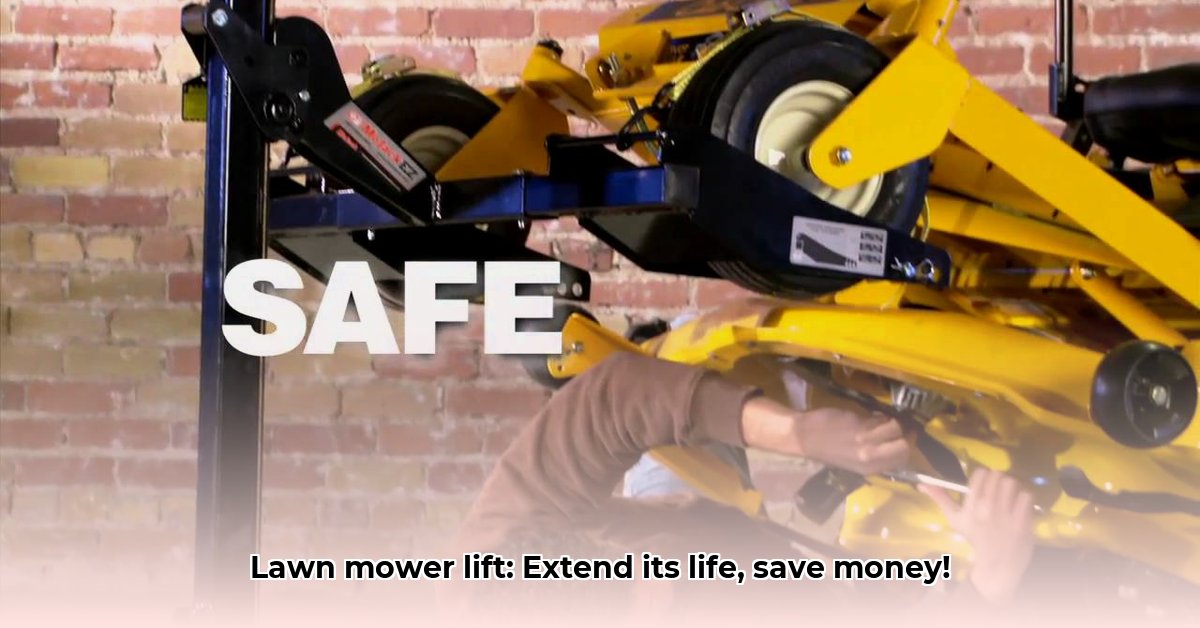
Tired of wrestling with your lawnmower during maintenance? A lawn mower lift from Tractor Supply is a game-changer, making upkeep easier and significantly extending your mower's life, saving you money on repairs. It's an investment that pays for itself many times over. For mower parts, check out Tractor Supply parts.
Why a Lift is Essential for Lawn Mower Maintenance
Maintaining a lawnmower can be physically demanding, requiring awkward bending and reaching. A Tractor Supply lawn mower lift elevates your mower to a comfortable working height, providing easy access to all components. This makes regular maintenance – crucial for preventing costly problems – significantly more manageable. No more aching backs or frustration! Preventing small issues from becoming major headaches (and expensive repairs) is key to maximizing your mower's lifespan.
Choosing the Right Lawn Mower Lift
Tractor Supply offers various lawn mower lifts. Consider these factors when selecting the best one for your needs:
- Weight Capacity: Ensure the lift's capacity comfortably exceeds your mower's weight, adding a safety margin.
- Ease of Use: A smooth, reliable lifting mechanism and easy storage are crucial for convenient use.
- Stability: Prioritize a sturdy, stable lift to prevent wobbling or tipping.
- Extra Features: Optional features like wheel stops or adjustable height settings can enhance usability.
- Price: While budget is a factor, a high-quality lift offers long-term savings through increased durability and efficiency.
Step-by-Step Lawn Mower Maintenance Using Your Lift
With your new lift, regular maintenance becomes straightforward:
- Secure Lifting: Carefully follow the manufacturer's instructions to safely lift your mower onto the lift. Safety is paramount!
- Thorough Underside Inspection: Examine the underside for damage, loose bolts, or wear and tear. Early detection prevents larger, costlier problems.
- Deck Cleaning: Remove grass clippings, dirt, and debris from the mower deck. A clean deck improves cutting and prevents rust. A pressure washer is highly recommended.
- Blade Sharpening/Replacement: Sharp blades ensure a clean cut. Dull blades damage your lawn and strain the engine; sharpen or replace as needed.
- Oil and Fuel Check: Verify oil and fuel levels, topping off as necessary. Change oil at recommended intervals.
- Lubrication: Lubricate all moving parts to reduce friction and extend lifespan.
- Safe Lowering: Carefully lower your mower, following the manufacturer's instructions.
Long-Term Benefits: Beyond Convenience
Investing in a lawn mower lift pays off in the long run by preventing expensive repairs. Easier maintenance encourages regular upkeep, keeping your mower running smoothly for years. This saves you money – potentially the cost of a new mower!
Proactive Maintenance: The Key to a Long-Lasting Mower
While a lift simplifies maintenance, regular care remains essential. Cleaning after each use minimizes grass and dirt buildup. Treat your mower like a valuable asset; consistent maintenance ensures reliable performance and significantly extends its lifespan. A Tractor Supply lawn mower lift is a great tool, but consistent maintenance is key to maximizing your mower's life and minimizing costs. It's an investment that delivers significant long-term returns.
Extending the Lifespan of All Your Equipment: Preventative Maintenance Best Practices
Regular maintenance isn’t just for lawnmowers; it applies to all equipment. "Regular maintenance significantly extends equipment life, saving you money and reducing your environmental impact," says Dr. Emily Carter, Agricultural Engineer at Cornell University. A proactive approach, encompassing cleaning, proper storage, and quality parts, prevents costly and time-consuming repairs. This is true whether we’re talking about lawnmowers or more significant farm equipment.
Preventative Maintenance: A Step-by-Step Guide
- Develop a Schedule: Create a personalized maintenance calendar for each piece of equipment, consulting your owner’s manual for recommended intervals (daily, weekly, monthly, annual).
- Regular Inspections: Check for wear and tear, loose bolts, damage, leaks, and unusual noises. Address minor issues immediately.
- Thorough Cleaning: After each use, clean your equipment to remove dirt and debris that accelerate wear and corrosion.
- Lubrication: Regularly lubricate moving parts using the correct lubricant type and grade to minimize friction and wear.
- Fluid Changes: Change engine oil, hydraulic fluid, and transmission fluids according to the manufacturer's recommendations.
- Filter Replacements: Replace air, fuel, and oil filters at recommended intervals. Clogged filters reduce efficiency and may damage components.
- Safe Storage: Store equipment in a dry, clean, and secure place, protecting it from the elements to prevent rust and corrosion.
- Quality Parts: Use high-quality replacement parts to ensure longevity and performance.
- Worker Training: Train workers on proper operation and basic maintenance for early problem identification.
- Detailed Records: Maintain detailed records of all maintenance performed for future troubleshooting and equipment history tracking.
The benefits extend beyond cost savings. By reducing equipment replacements, you minimize manufacturing waste and carbon emissions, contributing to environmental sustainability. Proactive maintenance is a win for your budget and the planet.